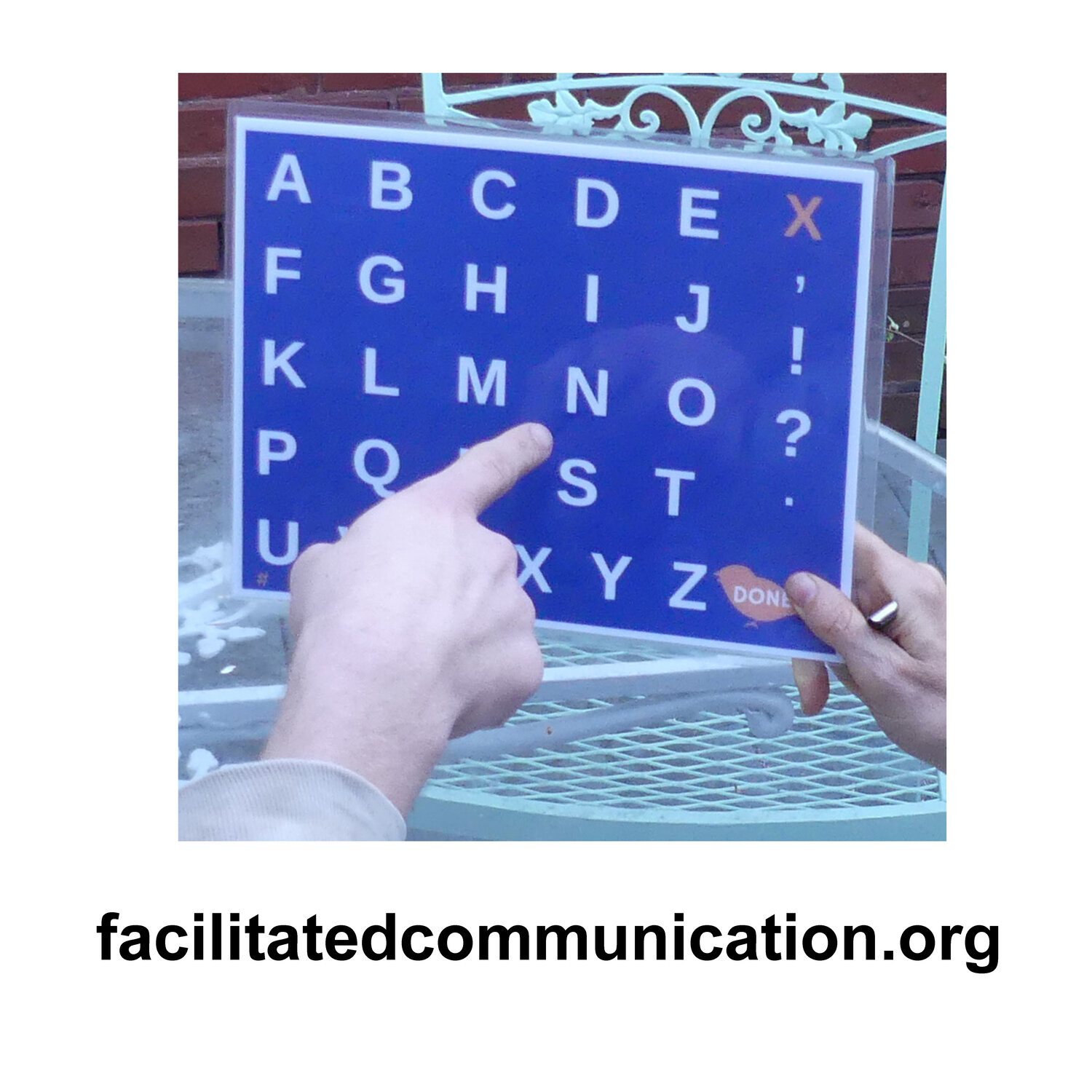
So that’s why FCed individuals don’t look at the letter board! A review of the article “Association between Autism Spectrum Disorder (ASD) and Vision Problems”
In today’s blog post, we’ll be looking at a study sent to us by an FC proponent (thank you!). The article is titled “Association between Autism Spectrum Disorder (ASD) and vision problems. A systematic review and meta-analysis.”
According to the FC proponent, critics of FC/S2C/RPM don’t talk enough about vision problems in people with ASD. Ok. Let’s take a look.
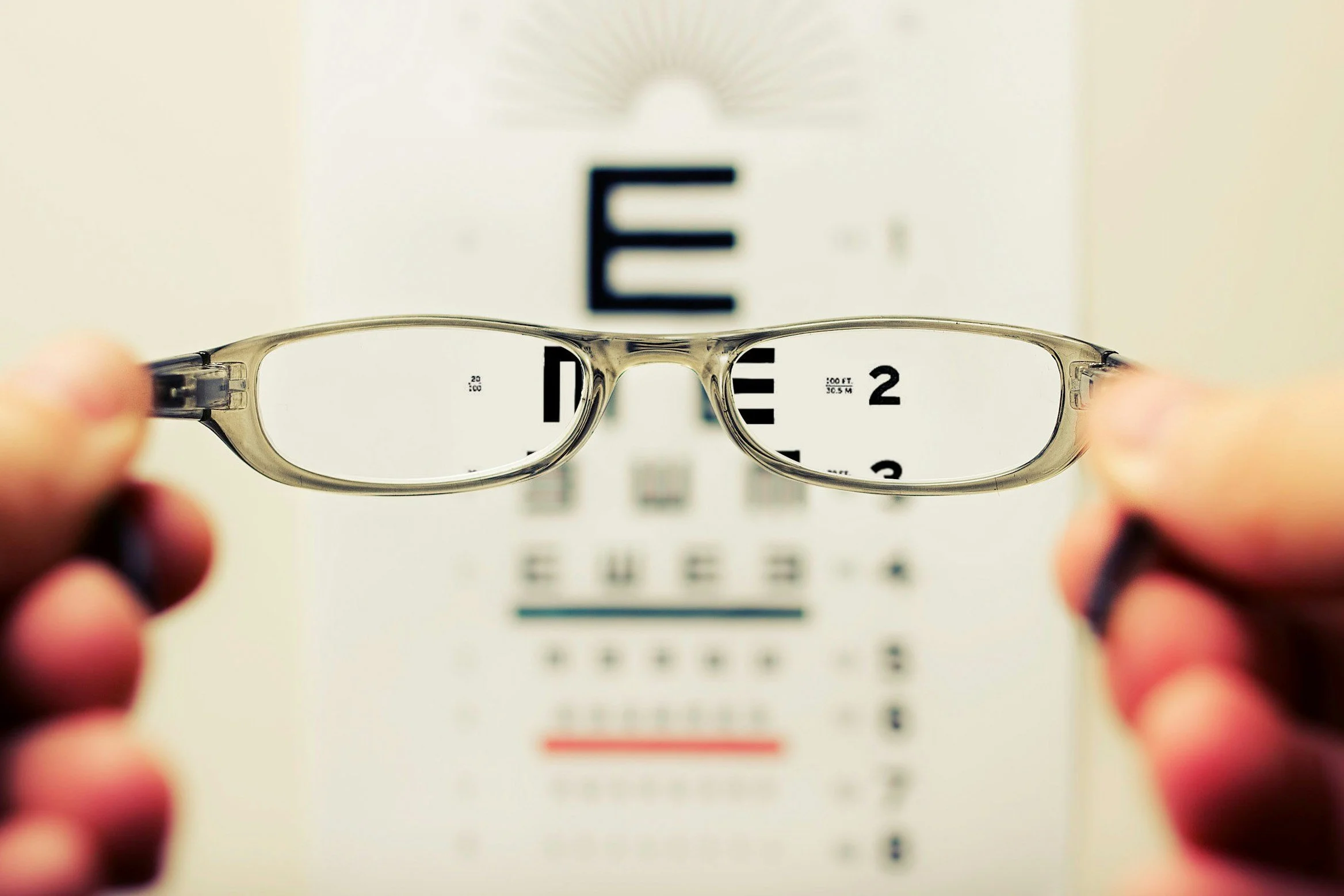
Image by David Travis
The first thing I noticed was that the authors of the systematic review define ASD as “a neurodevelopmental disorder…characterized by impaired social communication and social reciprocity, alongside rigid/repetitive patterns of interest, behavior or activities.”
I find this refreshing, since many of today’s proponents of FC/S2C/RPM define communication difficulties in autism solely as a “motor planning problem.”
The authors of the study also state that “ASD can also be associated with sensory processing abnormalities, often including vision, that can manifest in hypo- and/or hypersensitivity to certain stimuli and sensory input such as light, colors, and motion” and that these sensory sensitivities “have a significant negative impact on the personal life and wellbeing of individuals with ASD.”
Again, there’s no dispute here.
The purpose of the article was a systematic review and meta-analysis of existing studies that examined the prevalence of vision problems/conditions in people with and without ASD. I encourage readers to check out the full report for the exact selection criteria.

The facilitator stares intently at the letter board and guides her client’s finger toward it while the client looks away from the letter board. (Prisoners of Silence, 1993)
Before I get to the list of conditions identified by the authors as having a higher prevalence in individuals with ASD than in those without, I want to point out that certain vision problems, if left untreated, can cause difficulties that can inhibit reading speeds, processing speeds, and comprehension of written text. These difficulties include but are not limited to blurriness, double vision, poor control over eye movements, inability to track letters on a page, narrowed peripheral vision, and a decrease in central vision. Vision problems can also cause headaches and visual fatigue. Many of these conditions can be treated with vision therapy, corrective lenses or prisms, and/or surgery. However, in individuals with defects in the eye due to accident or birth defects, or those that have cognitive impairments, the vision problems may or may not respond to corrective measures.
The authors of the systematic review identified the following conditions as having a higher prevalence in individuals with ASD than in those without:
Strabismus. (Crossed eyes). This condition affects the muscles of the eyes and results in problems with controlling eye movement and maintaining ocular alignment (eye position).
Uncorrected refractive error. Refractive errors of the eye are generally due to distortions caused by the shape of the eyeball, cornea or lens.
Amblyopia. (Lazy eye). This condition is caused by poor vision usually in one eye. Over time, the brain relies on the stronger eye while the vision in the weaker eye gets worse.
Nystagmus. This condition is characterized by the eyes moving rapidly and uncontrollably. The movement can be side to side, up and down and/or in a circle.
Poor peripheral vision. Peripheral vision refers to what you can see to each side or up and down without moving your head. Poor peripheral vision can restrict an individual’s visual span to the much narrower capabilities of central vision.
Increased accommodation deficits (e.g., difficulty focusing the eyes).
Poorer stereoacuity. (reduced depth perception/binocular vision which causes the brain to struggle to coordinate both eyes).
Increased retinal thickness. (fluid in the layers of the macula).
General unspecified vision or eye problems/disorders.
Color vision deficiency (CVD) or “color blindness” (e.g., difficulty distinguishing between colors, most commonly reds and greens).
Contrast sensitivity (e.g., difficulty in distinguishing an object from its background)
As I started listing these vision problems and thinking about all the FC/S2C/RPM videos and documentaries I’ve watched and analyzed over the years, it occurred to me how infrequently I’ve seen the subjects of FC—most generally nonspeaking individuals with profound autism—wearing corrective lenses. Occasionally, I’ve seen people wearing Irlen glasses (purportedly, designed to address “scoptic sensitivity syndrome” or “Irlen syndrome,” a condition that is not recognized by the scientific community), but very few with prescription glasses.
It also occurred to me that many of the FCed individuals not only did not wear corrective glasses, but exhibited behaviors during letter selection that would indicate a lack of focus on the letter board. They looked away from the letter board, closed their eyes, or seemed to stare blankly without evidence of eye-tracking movements (a necessary skill to read left to right in English, scan the letters on an alphabet board/keyboard, or visually move from line to line on a written page).
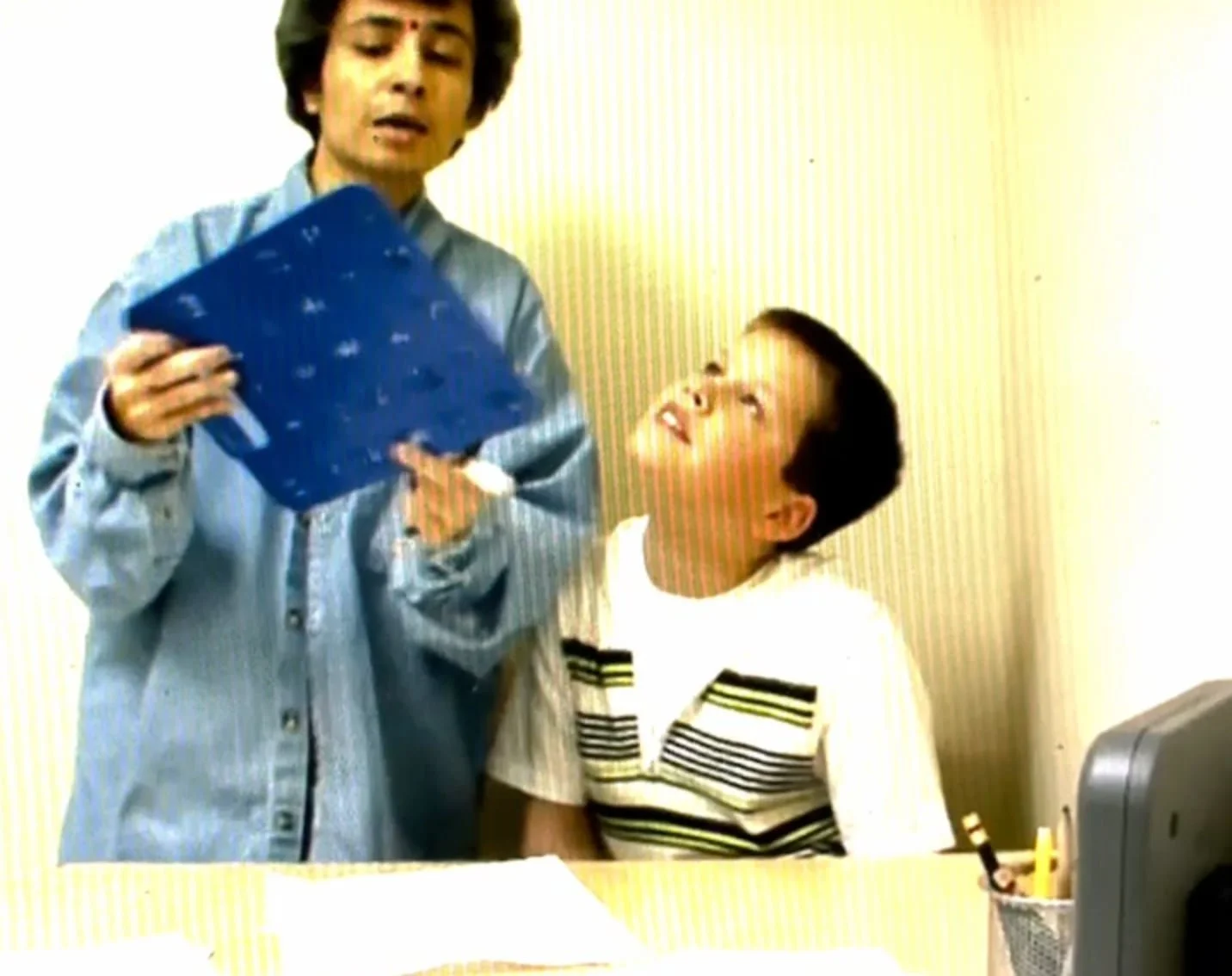
Keli stares at the ceiling while his facilitator (Soma Mukhopadhyay) holds a letter board in the air. (A Mother’s Courage, 2009)
For as long as I can remember, FC/S2C/RPM proponents have claimed that their clients use peripheral vision to identify letters on the letter board (even when the clients have their eyes closed or have their heads turned away from the letter board). This translates into a superhuman ability to detect letters without looking at them (as the facilitator maintains constant eye contact with the letter board).
Before reading this systematic review, I was aware that central vision is necessary for detecting details (e.g., individual letters) on a page and that peripheral vision (designed primarily to detect motion and shadow) supports letter detection by expanding the visual range.
But until I read this systematic review, I didn’t know that peripheral vision tends to be narrower in people with ASD than those without—not broader—making letter detection and the processing of written material even more difficult for people with ASD than I’d realized.

In this screenshot from a 1991 Syracuse University training video, the young boy stands up and turns completely away from his facilitator while she continues to hold his hand and pull it toward the keyboard. Peripheral vision doesn’t reach around the back of a person’s head (with or without ASD).
From what I understand, when central and peripheral vision work in tandem, readers can detect and process multiple words at the same time. This ability to scan a wider portion of the written page reduces eye fixations, increases reading speeds, and assists in processing information, leading to higher reading comprehension skills. But, with a narrowed visual span (e.g., impaired peripheral vision), individuals with ASD (and others with this condition) would find it more difficult to discriminate letters on a page, process the information, and read with agility than those with a wider visual span. Narrowed peripheral vision makes it more difficult for a person to track, interpret, and comprehend the symbols of written language and forces them instead to fixate on individual letters contained within a phrase, sentence, or paragraph.
Just like it’s impossible to type using a one-finger hunt-and-peck method without looking at the letter board, it’s difficult to maintain focus on and comprehend the words one is reading while focusing letter-by-letter while trying to decode and process a page of written symbols.
In reading about vision problems in individuals with autism, I started thinking about the claims Vikram Jaswal makes in his eye-tracking studies (e.g., the studies where the facilitators hold the letter boards in the air for their clients). Commenters on our website often cite Jaswal’s studies as “proof” of authorship in people subjected to FC/S2C/RPM.
Besides the obvious problem of an unstable hand-held letter board floating in the air (which defeats the purpose of eye tracking equipment that’s designed to allow individuals with severe physical impairments to track letters with eye movements independently and without interference from a facilitator), a person needs certain visual capabilities to successfully navigate the equipment. Prerequisite visual skills for eye-tracking devices include (but are not limited to) the ability to
focus in on and maintain a stable gaze on a target letter/picture/symbol,
shift focus/transition between point A to point B on the screen (e.g., to navigate the menu, select letters in a word that are on different parts of the screen),
keep one’s head steady
cognitively understand the interface of the device, and
learn and comprehend the symbols and rules of written language (if using words rather than pictures) to express one’s own thoughts
Now, I’m realizing, that Jaswal’s emphasis on one-letter-at-a-time scanning by the participants completely misses the point that it’s exactly this letter-by-letter focused scanning that makes spelling harder, not easier, for the autistic individuals in his studies.
As far as I know, Jaswal et al. never ruled out visual processing difficulties in the people who participated in his studies. Given that the “spellers” in his study were scanning the page letter-by-letter, it seems like an eye exam should have been completed (along with a complete speech/language evaluation without facilitator interference) before attempting the eye-tracking tests. It’s not recommended that people with visual processing difficulties be feature-matched with spelling-based modes of communication unless those visual difficulties can be overcome through legitimate treatments (e.g., surgery, corrective lenses)..
Today’s systematic review had nothing to do directly with authorship in FC or its efficacy, but I agree with the proponent who sent me the link that critics of FC should talk more about the prevalence of vision problems in people with ASD.
Rather than strengthening the case for the use of facilitator-dependent techniques (like FC/S2C/RPM) with ASD individuals who exhibit vision problems, this systematic review supports the (critics’) position that nonspeaking individuals with profound autism and other developmental disabilities often exhibit behaviors that continue to raise serious questions about facilitator influence and control over letter selection. For example, while facilitators maintain constant (and steady) eye contact with the letter board and keyboard during letter selection, their clients exhibit inconsistent visual engagement with the board by closing their eyes, looking away from the board, and/or not moving their eyes to track letters.
I think it’s safe to say that at least some of the lashing out behaviors, too, that we see in videos of FC/S2C/RPM sessions (e.g., pushing the facilitators or the letter boards away, crying, biting, breaking away from the FC session) may be indicative of the frustration that those who understand they’re supposed to be attending and pointing to the letter board have difficulty doing so because of their vision problems.. Facilitators should be asking themselves whether their clients or loved ones have issues with vision that prevent them from fully taking advantage of (preferably evidence-based) augmentative and alternative communication (AAC) methods and techniques, not pretending that nonspeaking individuals with profound autism have superhuman abilities to detect letters without looking at them..
When I was trained as a facilitator in the early 1990s, visual difficulties in non-speaking individuals with ASD were not discussed. Today, it doesn’t make sense to me that anyone would match these individuals to specific AAC techniques, methods, or systems (let alone pseudoscientific facilitator-dependent techniques like FC/S2C/RPM) without considering their clients’ ability to focus visually on, process, and/or comprehend letters, numbers, pictures, etc.
Thanks to this systematic review, I understand on a deeper level than I did before that at least some of the resistant behaviors I’ve seen in pro-FC videos can be attributed to vision problems in individuals with ASD. The rest, I believe, can be attributed to individuals being forced to participate in an activity where facilitators make them point to letters and words in a point-on-cue activity they likely do not fully comprehend.
References and Recommended Reading
Beals, Katharine (2021, May 12). A Recent Eye-Tracking Study Fails to Reveal Agency in Assisted Autistic Communication. Evidence-Based Communication Assessment and Intervention
Miyasaka JDS, Vieira RVG, Novalo-Goto ES, Montagna E, Wajnsztejn R. Irlen syndrome: systematic review and level of evidence analysis. Arq Neuropsiquiatr. 2019 Mar;77(3):194-207. doi: 10.1590/0004-282X20190014. PMID: 30970133.
Perna, J. et al. (2023, July 26). Association between Autism Spectrum Disorder (ASD) and vision problems. A systematic review and meta-analysis. Molecular Psychiatry. Vol. 28 (12); 5011-5023.
Blog Posts
From Eye Tracking to EEGs—anything but a simple message passing test
Is diminished Joint Attention really not a problem for word learning in autism?
Peripheral Vision: Perfect for Detecting Facilitator Cues
What is Joint Attention and how does it relate to FC?
Why does Joint Attention look Atypical in Autism—and does it matter?
Why no one can learn their first language without engaging in joint attention behaviors