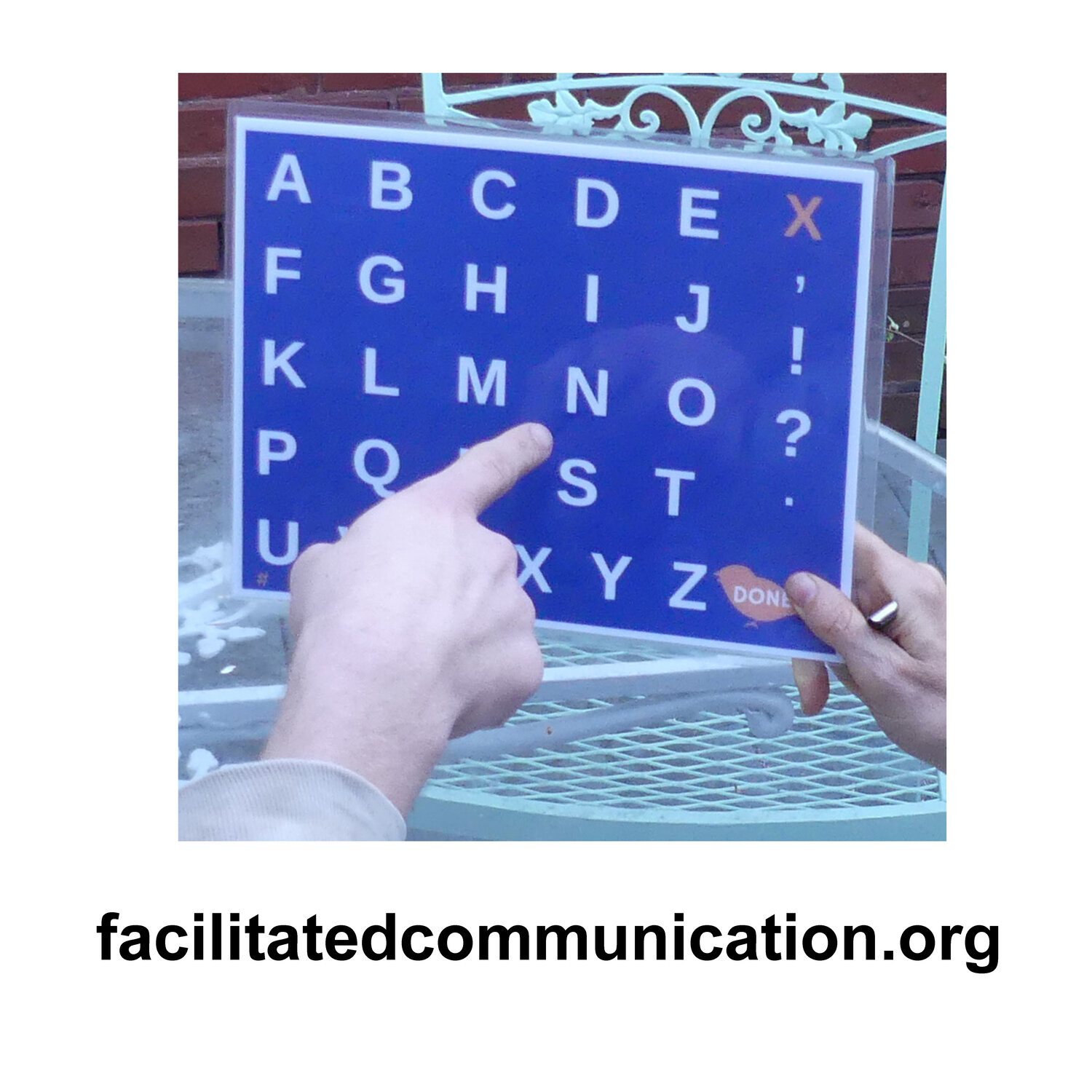
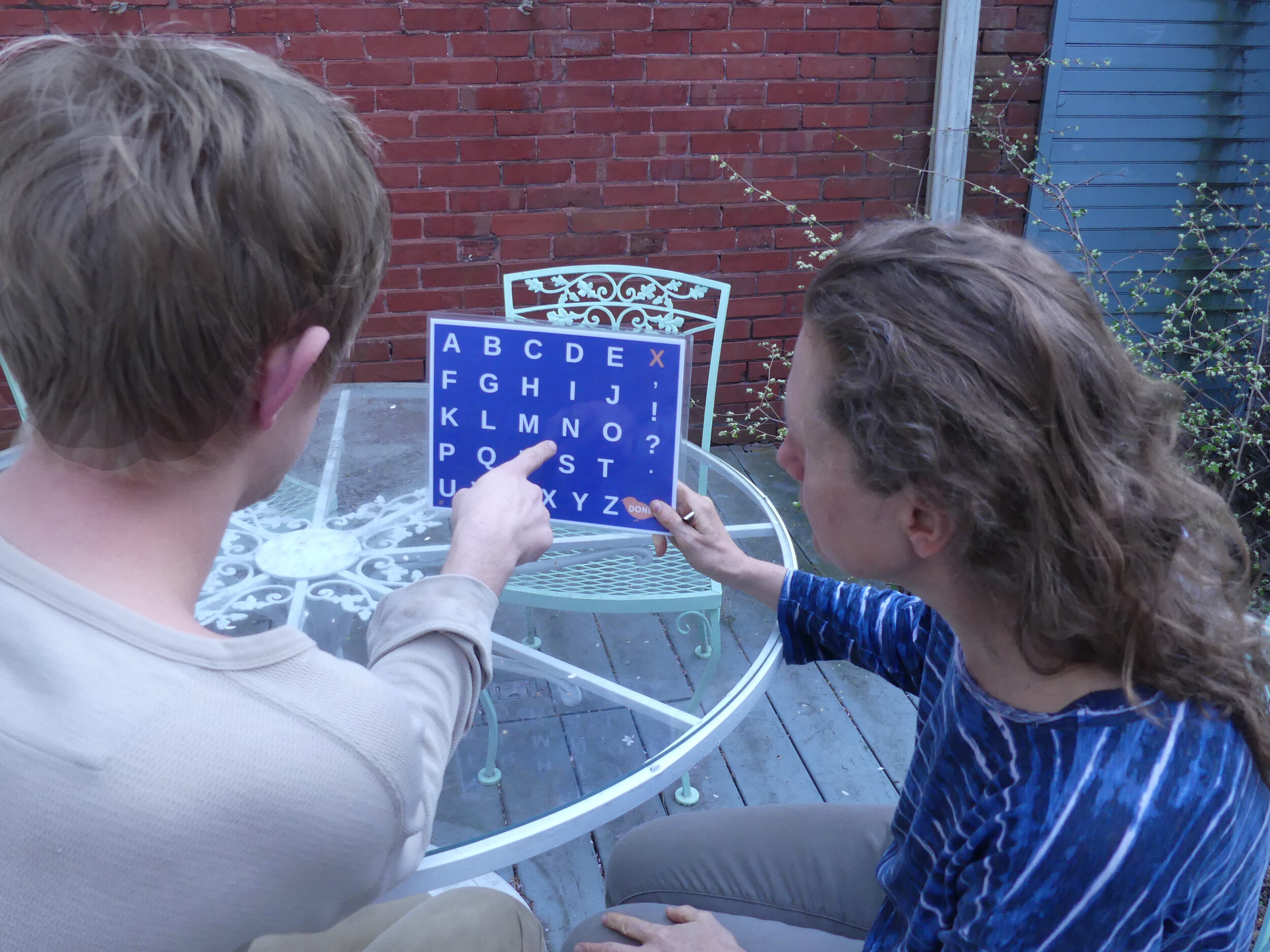
Facilitated communication
a thoroughly discredited but persistent technique
Why we’re speaking out against facilitated communication
Facilitated Communication (FC) is a technique being used on individuals with disabilities. It requires the support of a facilitator to “work.” However, in the 30-plus years it has been in use, proponents have failed to produce any reliable evidence to prove their claims of independent communication. In fact, controlled testing shows it is the facilitators, not individuals with disabilities, who control FC-generated messages. FC has been thoroughly discredited by the scientific community. Most major health, education, and autism advocacy organizations have opposition statements and strongly urge their members not to use FC. Individuals with disabilities deserve to have access to communication technologies and methods currently available for use that promote independence and allow them to make their voices heard without interference from facilitators.

Resources for Parents
Introduction to FC and Suggested Reading List

Resources for Educators
Introduction to FC and Suggested Reading List

Resources for Reporters
Introduction to FC and Suggested Reading List
The fact that facilitators often control and direct the typing has been called ‘facilitator influence,’ which seems to be a misnomer. ‘Facilitator influence’ suggests that the disabled person is emitting verbal behavior, and the facilitator is exerting partial control (or ‘influence’) over that behavior. Although partial control certainly may occur when fading prompts within structured teaching programs, such control has not been demonstrated in most cases of FC. Rather than influencing the typed messages, the facilitator appears to be the sole author of those messages. Thus, the focus of analysis is shifted from the disabled person’s behavior to the facilitator’s behavior.
— Hall, G. (1993)
Facilitated Communication is Also Known As:
Note: some of these have been co-opted from legitimate, evidence-based methods and techniques. The distinguishing characteristics of FC is facilitator control over the typing or writing activity and prompt dependency for individuals being subjected to it.
Supported Typing
Saved by Typing
Facilitated Communication Training
Informative Pointing
Spelling/Communication Therapy
Spellers Method
Partnered Typing
Spelled Communication
Type to Express
Typing For Communication (T4C)
Facilitated Finger Writing
Rapid Prompting Method (RPM)
Spelling to Communicate (S2C)
Assisted Typing
Letter Boarding
Supported Decision Making
Communication for Education
Talking Fingers
Mouth to hand learning
Structured typing
Partner-Assisted Communication
Type for Autonomy
Hand-Over-Hand
Speaking with Eyes
Motor Communication
Intuitive Pointing
Spelling on an iPad
Motor-Based Communication Techniques
Types for Talking
Text-based communicator
Visual communication analysis
Modern Spelling Methods
Blog Topics
- Facilitated Communication
- FC in the Media
- Spelling to Communicate
- Rapid Prompting Method
- Scholarly Article Review
- Authorship
- Speech and Language
- History of FC
- FC in Schools
- Neuropsychology of Autism
- Book Review
- Movie Review
- Telepathy Tapes Review
- Ideomotor Effect
- Ethical Issues
- Facilitator Control
- FC and the Legal System
- Language and Literacy
- FC in the Schools
- Critiques of Facilitated Communication
- Validation Testing
- Theory of Mind
- Telepathy
- Controlled Studies
- FC in the Courts
- Video Critique
- Conferences and Webinars
- Joint Attention
- Policy
- Motor Abilities
- FC in the News
- Critique of Pro-FC Article
- Telepathy Tapes
- Facilitator Cues
- Modern Spelling Methods
- FC as Pseudoscience
- Facilitator Mindset
- Facilitator Crimes
- Critique of Pro-FC Articles
- Vision Problems in People with ASD
- Augmentative and Alternative Communication
- Disability Rights
- FC Authorship
- Confirmation Bias
- Trends in Autism Diagnoses
- Systematic Review
- Social Motivation
- Severe Autism
- Intellectual Disability Review Panel
- Psychotherapy
- Applied Behavior Analysis
- Facilitator Behaviors
- Facilitated Communicaton
- Evidence-Based Practices
- Skeptical Inquirer
- Authorship Studies
- Rosemary Crossley
- Spellers Method
- Notes from Admin
- S2C in Maine
- Presume Competence
- Occupational Therapy
- Socio-Cognitive Development
- Psychology
- Developmental Apraxia
- Higashi School
- Financial and Opportunity Costs
- Apraxia
- Holoboards
- EBPs Using FC
- False Allegations of Abuse
- Motivated Reasoning
- Critique of Pro-FC Movie
- Scientific Method
- Communication Boards
- FC-Adjacent Beliefs
- News Roundup