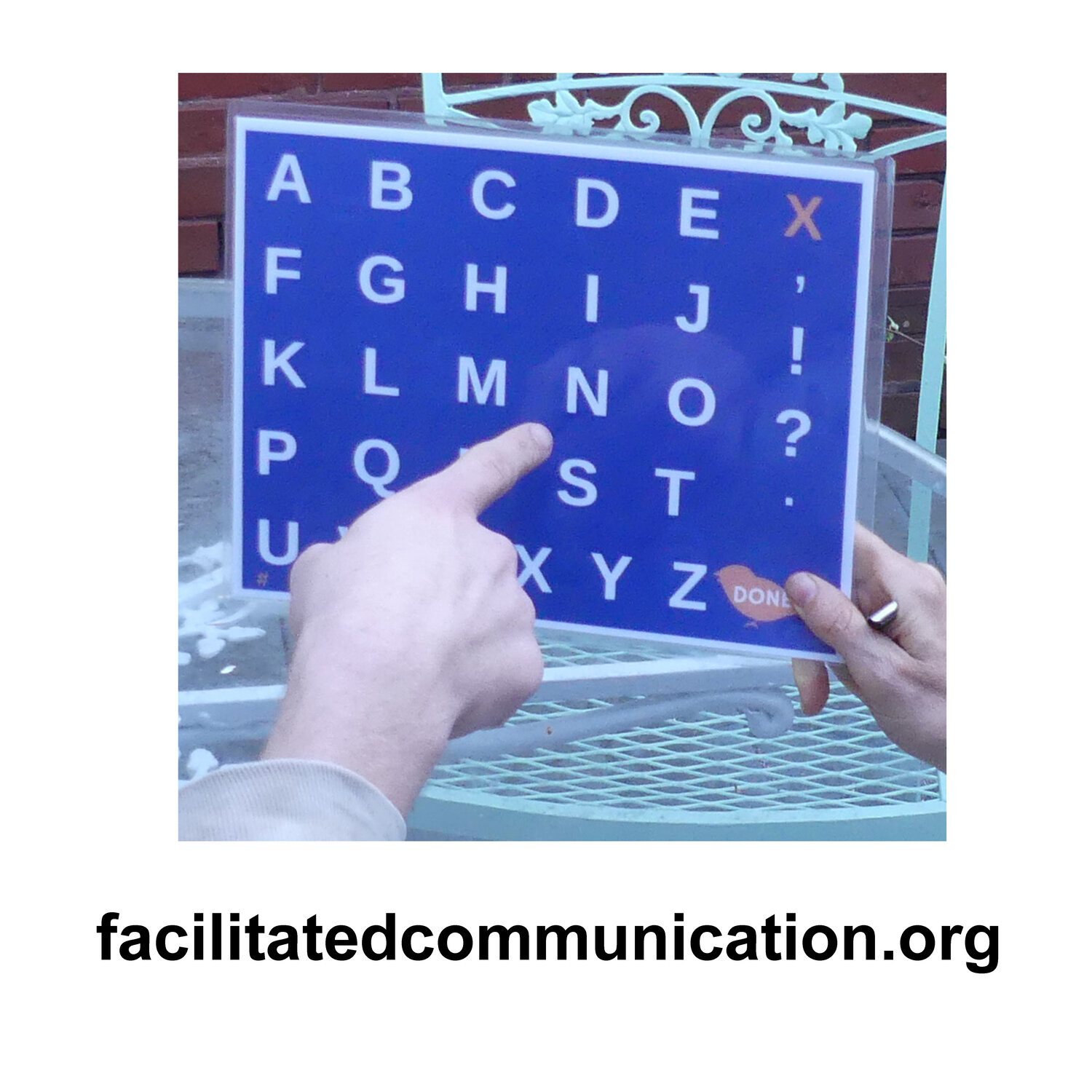
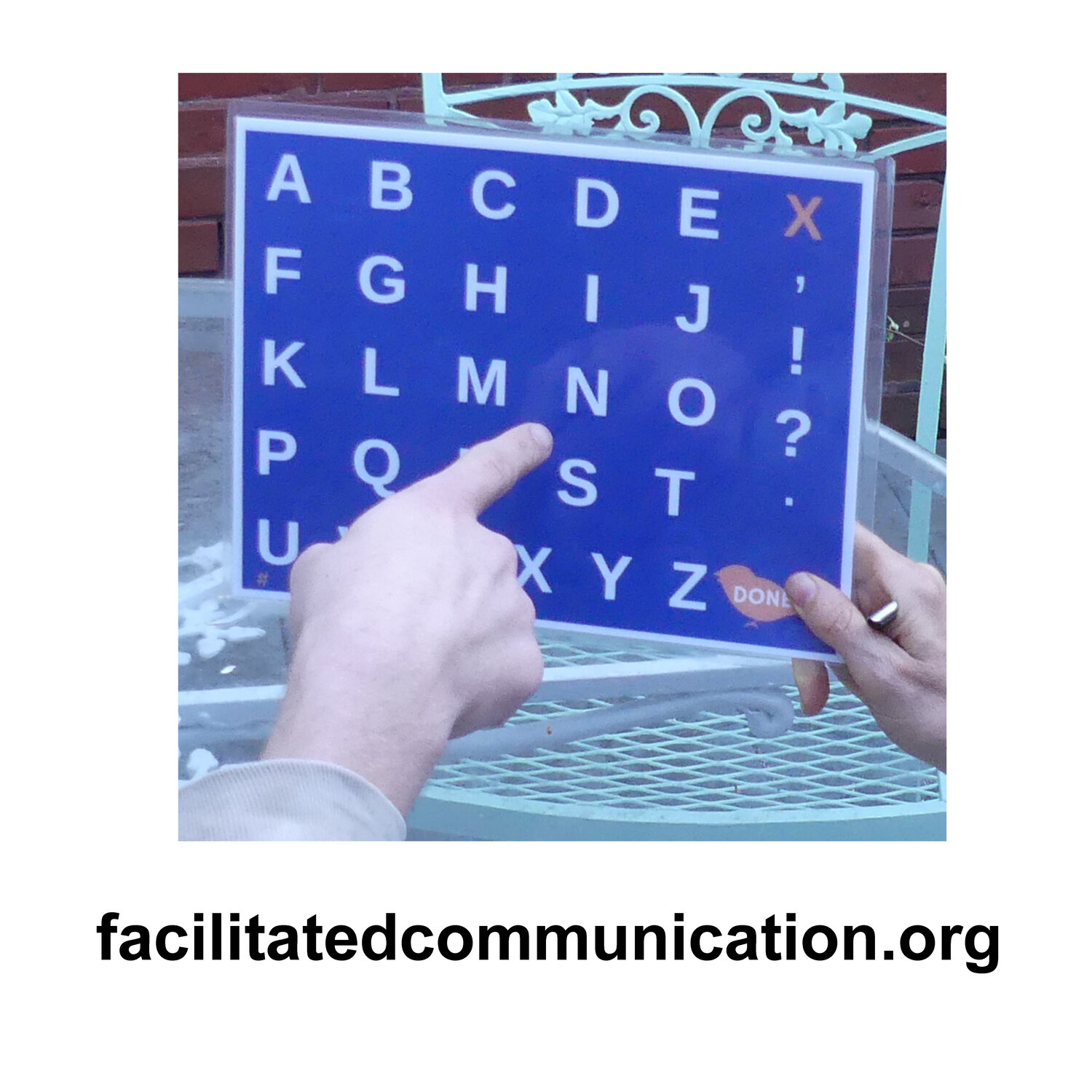
Today’s blog post is the third in a series I’ve written about Maine’s Spelling to Communicate (S2C) Pilot Program and efforts to raise awareness about the concerns my colleagues and I have about facilitator-dependent techniques like FC/S2C.
To read about the actions we’ve already taken in this effort, please see my blog posts Are Maine Schools Falling for FC Pseudoscience Again? (We already went through this in the 1990s) and Are Maine Public Schools Violating IDEA? And Other Questions About Maine’s S2C Pilot Program.
But…today I have unexpectedly good news…
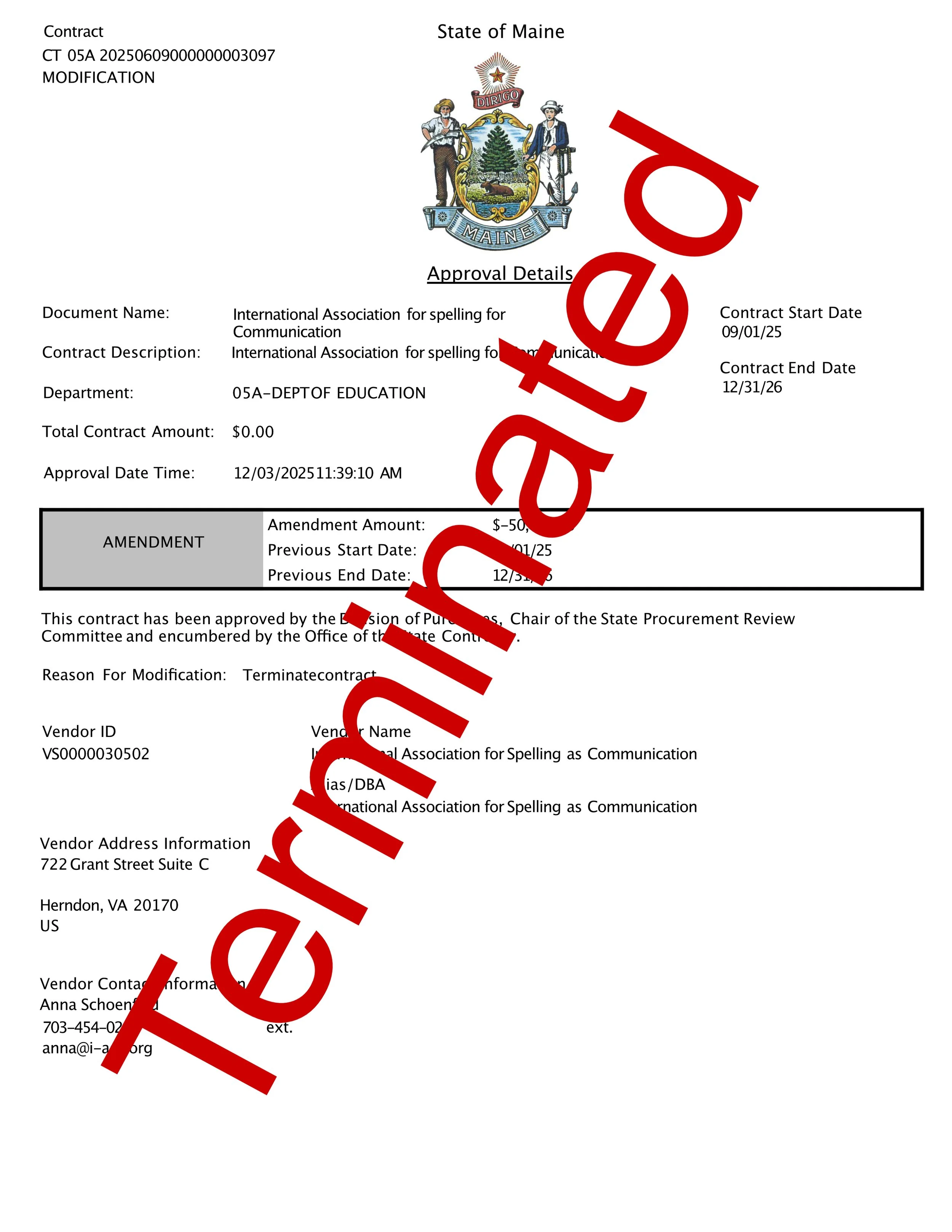
Contract Modification from the MDOE website 12/3/25. Reason for Modification: Terminate Contract (I edited the document with the word “terminated” in red).
I’m happy to announce that on December 3, 2025, I received a short email from Director of Special Services Erin Frazier of the Maine Department of Education (MDOE) regarding Maine’s S2C Pilot Program:
“Thank you for sharing your concerns, Janyce. We have decided not to move forward with this training opportunity. Have a nice day.”
Note: I’ve also seen and was able to download the notice of termination letter (sent to a representative of I-ASC on 11/24/2025) that was posted to the State of Maine website on 12/3/25. From the termination letter, I learned that the contract could be terminated “whenever for any reason the Contract Administrator shall determine that such termination is in the best interest of the Department.”
The termination letter did not give a reason, but I want to thank Director Frazier and all the others who, it seems, read the letter(s) I sent, perhaps did their own research, and decided not to move forward with the program. I’m heartened to see that the people at the MDOE chose to put science ahead of pseudoscience.
Without diminishing the importance of this decision, I still have a lot of questions about how the S2C Pilot program was established in the first place. Many of the questions I’ve asked about the program itself remain unanswered at this point (see my blog post here) and I have a few more to add to the list:
How did the pilot program get so far without state or local officials realizing that S2C has no scientifically rigorous evidence to support its claims as an independent form of communication or as a “spelling” program?
Who was involved with the planning of the program (locally and on the state level)? What process did they follow to research S2C? Did they do a systematic review to determine whether the technique involved with the program had scientific validity? Were they aware of the organizations that oppose FC/S2C or the reasons the organizations recommend their members not use FC/S2C or their variants? Did they include any critics of S2C on the committee?
The contract started in July 2025, but the program didn’t get terminated until December 2025. It appears from the modified contract that the full $50,000 was withdrawn. Initially, I had questions about the funds (e.g. were they already disbursed to I-ASC? What happens to those funds now that the contract is terminated? Is that a loss for Maine taxpayers or will I-ASC be required to reimburse the MDOE for funds paid out?), but if I’m reading the documents correctly, it appears that no funds were disbursed to I-ASC before the contract was terminated.
Will the school officials who were most enthusiastic about the S2C pilot program find other ways to introduce S2C into their schools? How can unsuspecting parents and educators be protected from the implementation of unproven/disproven techniques like FC/S2C and their variants when (potentially) their administrators support its use?
I’m hearing through the grapevine that some government officials were surprised (and maybe embarrassed) to learn that S2C is FC. This is understandable, given the marketing prowess of proponents who’ve rebranded FC into dozens of alternate names. I’m not looking to blame anyone for falling for the illusion of S2C. We’ve gathered over 20 different pseudonyms for FC and listed them on the homepage of our website, so it’s fairly common to meet people who thought FC died out in the mid-1990s. It didn’t. The common denominator with all forms of FC is facilitator behaviors that influence and control letter selection. FC by other names is still FC.
I understand the embarrassment or discomfort with learning that S2C is not evidence-based., but the truth is anyone can be fooled by the illusion of FC/S2C. To people new to the subject, the so-called “no touch” forms of FC (like S2C) look more convincing than traditional touch-based FC. Many people don’t consider the degree to which facilitators cue their clients through visual or auditory cues (with or without physical touch). To learn more about facilitator cueing, please check out my blog post An FC Primer. In addition, observers often look at the client and/or the letter board during “spelling” sessions and miss facilitator behaviors that lead to cueing (e.g., head nods, hand signals, body movements, moving the letter board or keyboard in the air, vocal cues). We’ve also learned through analyzing pro-FC YouTube videos and films that facilitators often call out letters that don’t correspond to where on the letter board their clients touch and/or they call out letters even if their client isn’t looking at the letter board.
In my opinion, it’s the actions people take after they get access to the scientific evidence (or in this case, the lack of scientific evidence) that counts the most. Do they go deeper into their belief system or do they follow the science? Do they take facilitator claims on face value (e.g., that FC/S2C works because facilitators say it works)? Or do they set up authorship testing (designed to rule in or rule out facilitator interference with letter selection) before implementing the program?
Note: Proponents often refuse to participate in reliably controlled authorship tests even when court ordered. This, in itself, should be a huge red flag. Why wouldn’t facilitators want to be sure they are not (inadvertently) cueing their clients? What do they have to hide? Facilitator-dependent techniques can’t lead to communication independence as long as clients are dependent on facilitator cues to figure out which letters to select. Otherwise, it’s an exercise in learning to point on cue.
Realistically, I think Maine educators and government officials have a lot of work ahead of them to not repeat history (e.g., by adopting FC/S2C/RPM in whatever variant form it takes). But, for now, I want to take a moment and thank Director Frazier and the other officials at the MDOE for putting science ahead of pseudoscience.
If you’d like to send a note of thanks to Director Frazier and others for listening to our concerns, doing their own research, and following the science, here are their email addresses.
Maine Special Services and Inclusive Education
Amanda Castner - Executive Assistant to the State Director of Special Services Office of Special Services and Inclusive Education. Email: amanda.castner@maine.gov
Erin Frazier - State Director of Special Services and Inclusive Education Office of Special Education Services & Inclusive Education Email: erin.frazier@maine.gov
Maine Department of Education
Commissioner Pender Makin Email: pender.makin@maine.gov
Deputy Commissioner Daniel Chuhta Email: daniel.chuhta@maine.gov
Associate Commissioner Megan Welter Email: megan.welter@maine.gov
Note: In the process of this letter-writing campaign, I learned the new director of the University of Maine’s Center for Inclusion is aware of the center’s involvement with FC in the past, but currently does not support FC/S2C or other unproven/disproven facilitator-dependent techniques. I find this to be good news as well..